
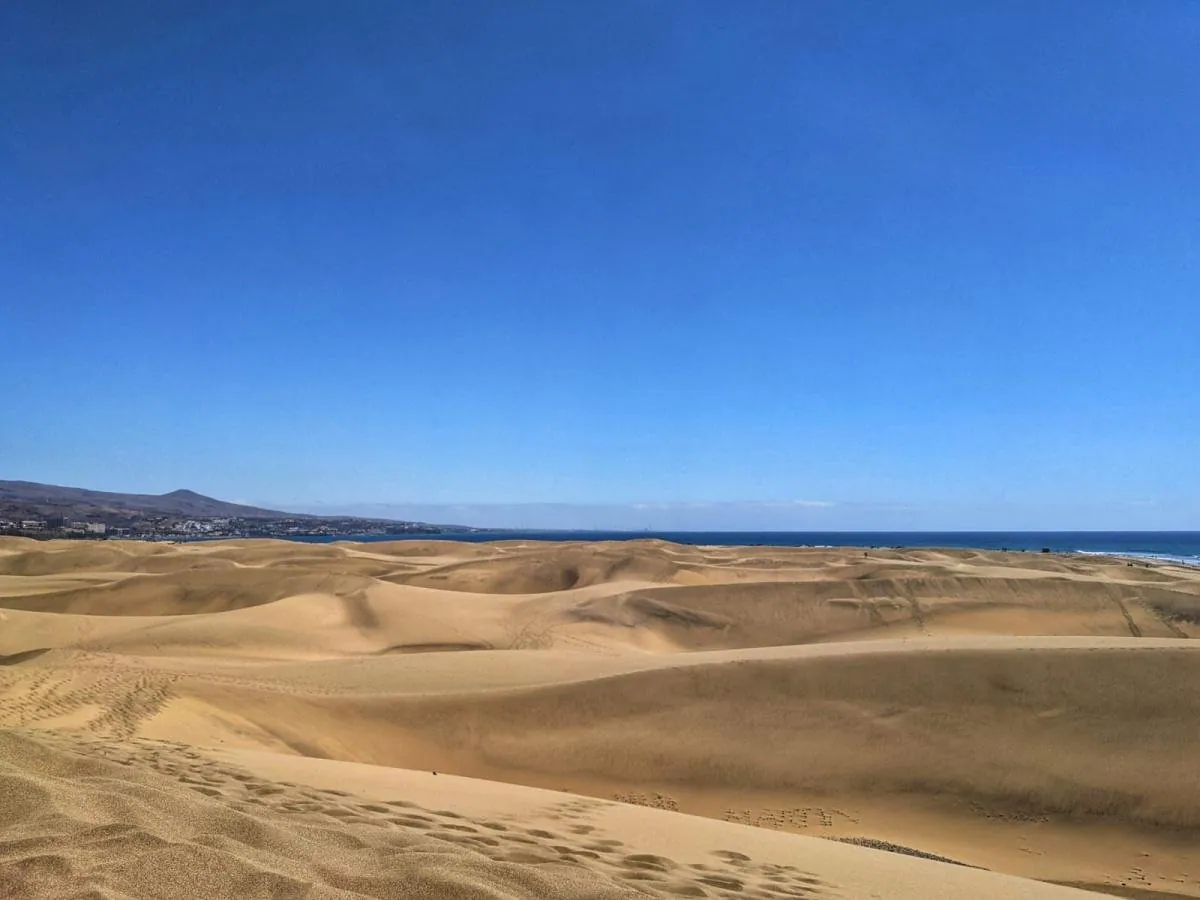
In the resort area of Maspalomas, the wind has sculpted more than 400 hectares of sand into a landscape that feels like a desert. The dunes shift endlessly and offer a different view at every hour, above all at dawn and sunset. It is one of the rarest natural phenomena in Europe.
At a glance
- Area
- Maspalomas
- Type
- Beaches
 Zone: South · Maspalomas· See everything in this area
Why it's worth a visit
- A natural phenomenon that is rare in Europe.
- Memorable sunsets over the sand.
- An ideal place for photography.
The Mirador de las Dunas
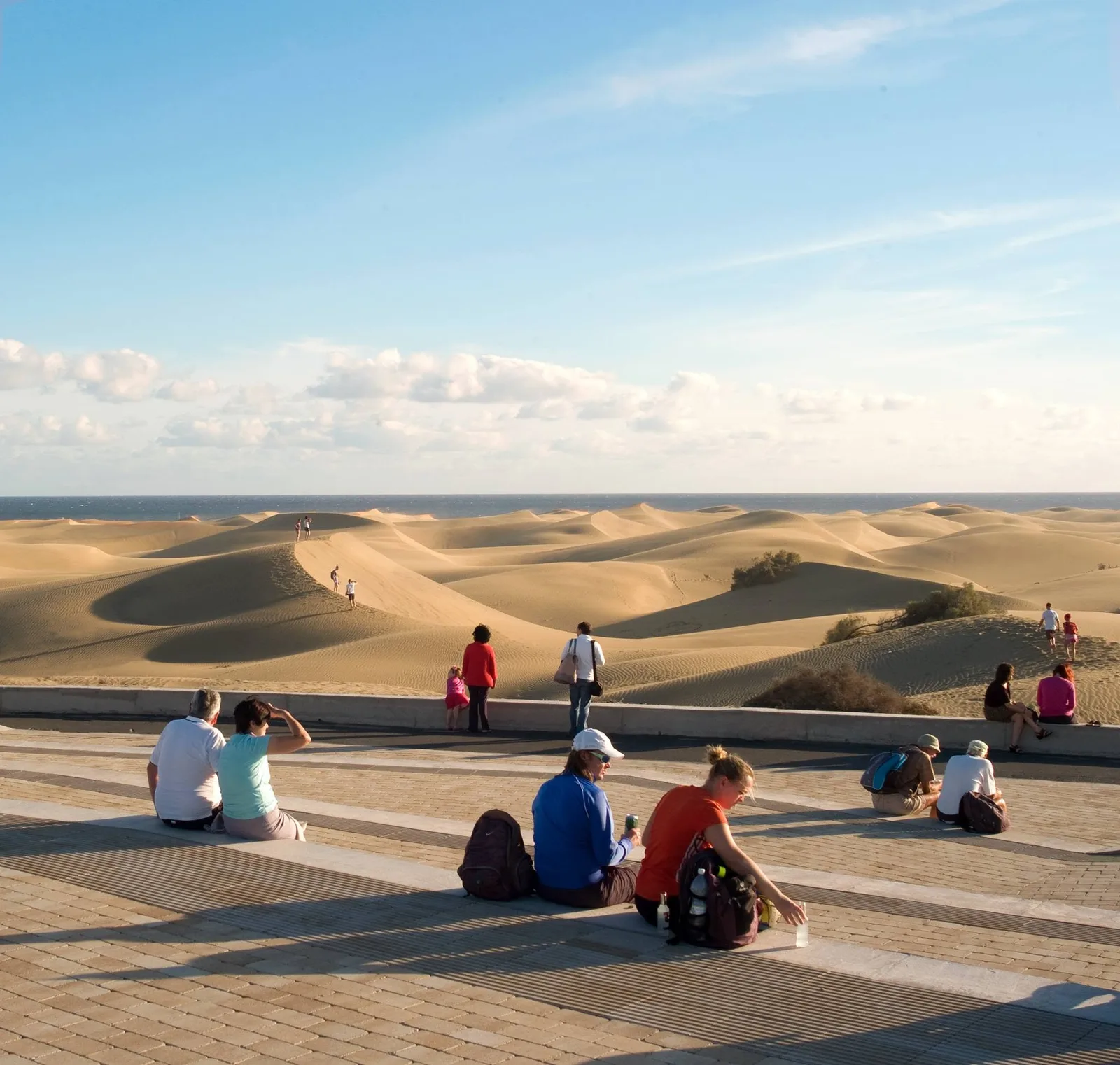
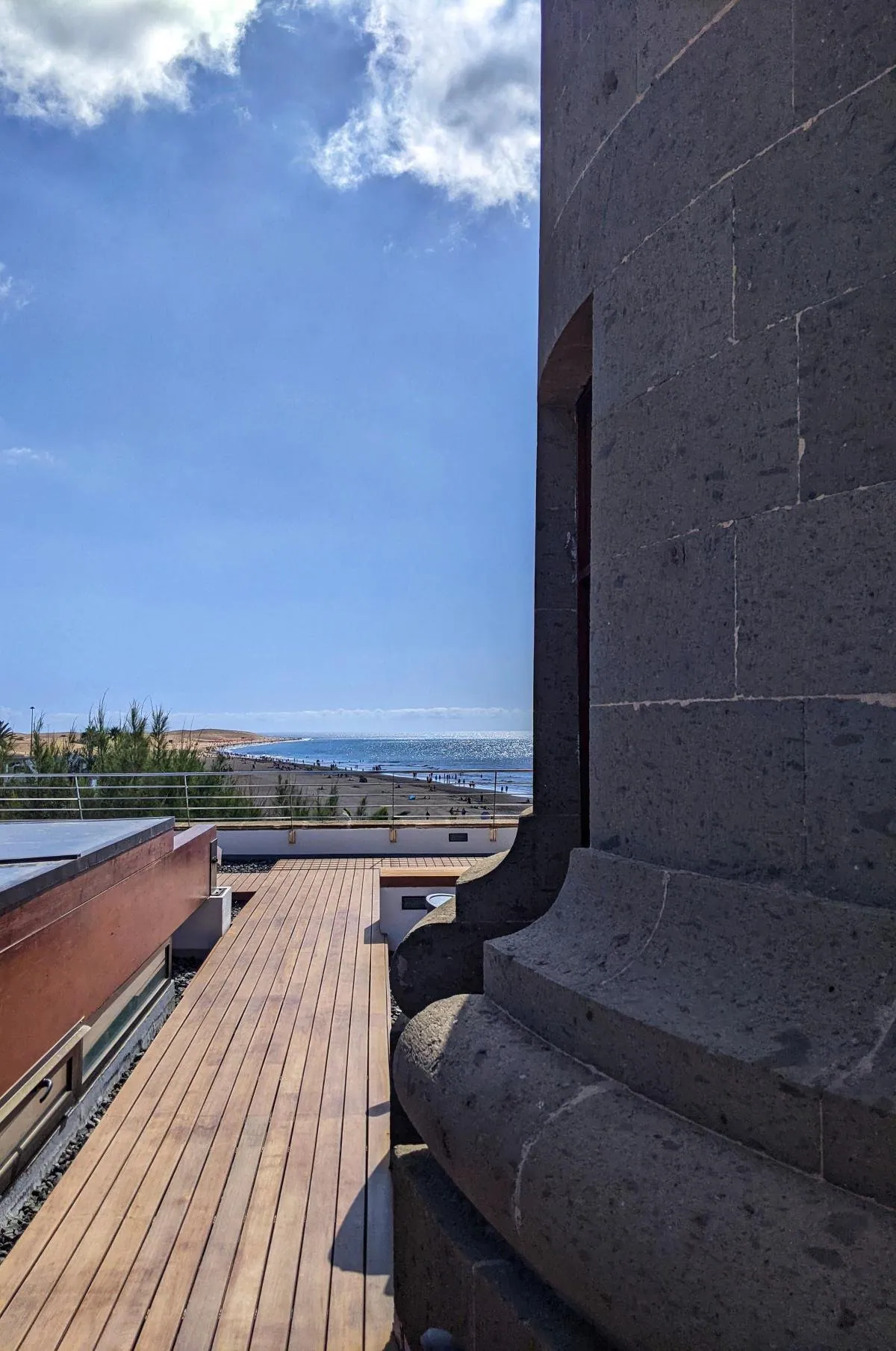
- It is the balcony over the sea of sand: from the walkway the whole dune field fits in a single look
- The path that crosses the dune down to the beach starts here: a good half hour, without a scrap of shade on the way
- You reach the viewpoint freely from the Paseo Costa Canaria or through the hotel lobby, on the reserve’s north-east edge; the sandy trails, on the other hand, are not wheelchair accessible
- Low light stretches the shadows between the crests: that is when the relief really shows, and when the photographs happen
Exploring the dunes
The main entrance is near the Hotel Riu Palace, next to the Dunes Interpretation Centre. From there a marked path lets you cross the dunes without harming the environment.
The dunes are part of a protected nature reserve with a fragile ecosystem. Among its highlights is the La Charca lagoon, a small oasis where many migratory birds stop to rest.
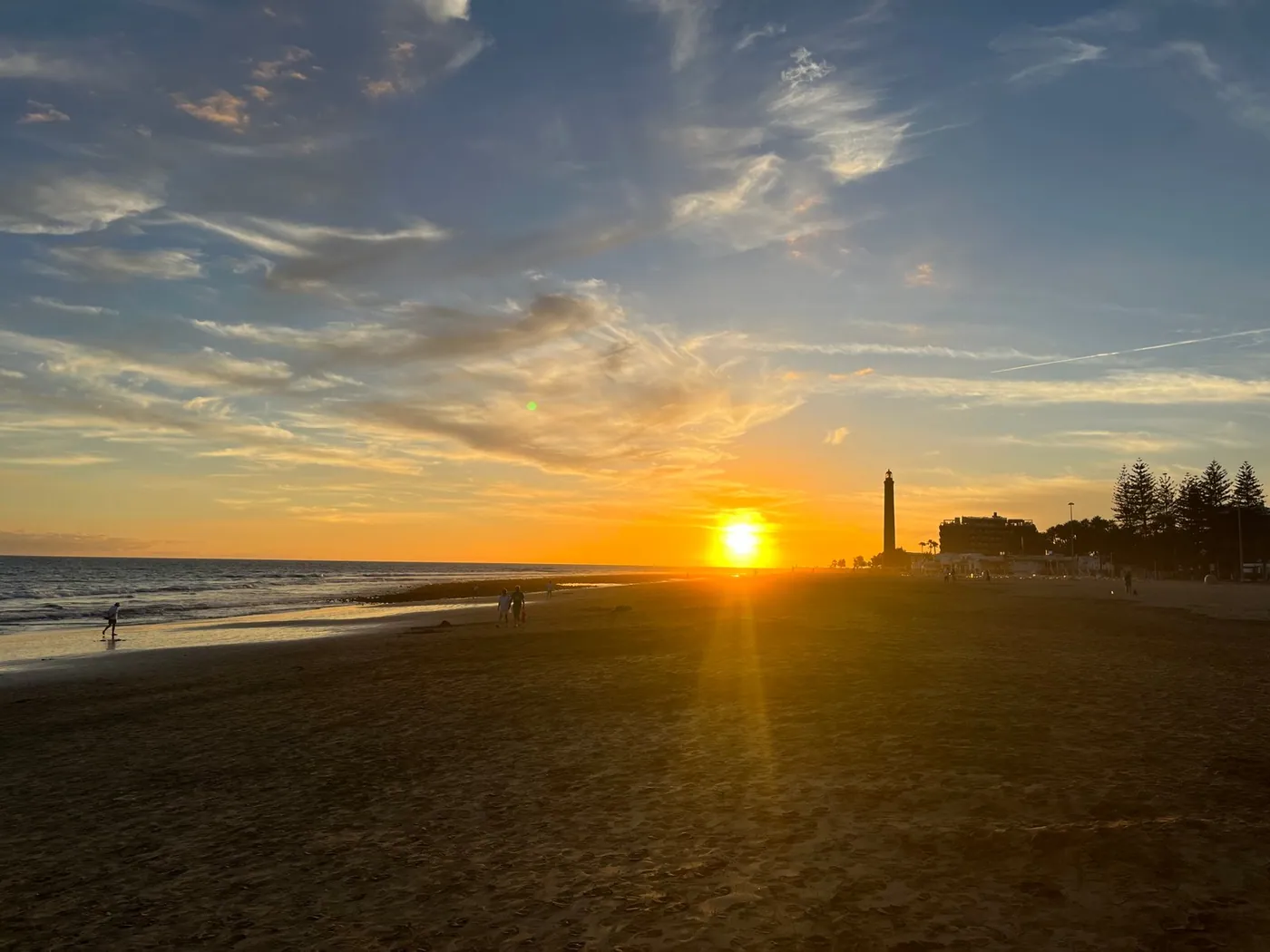
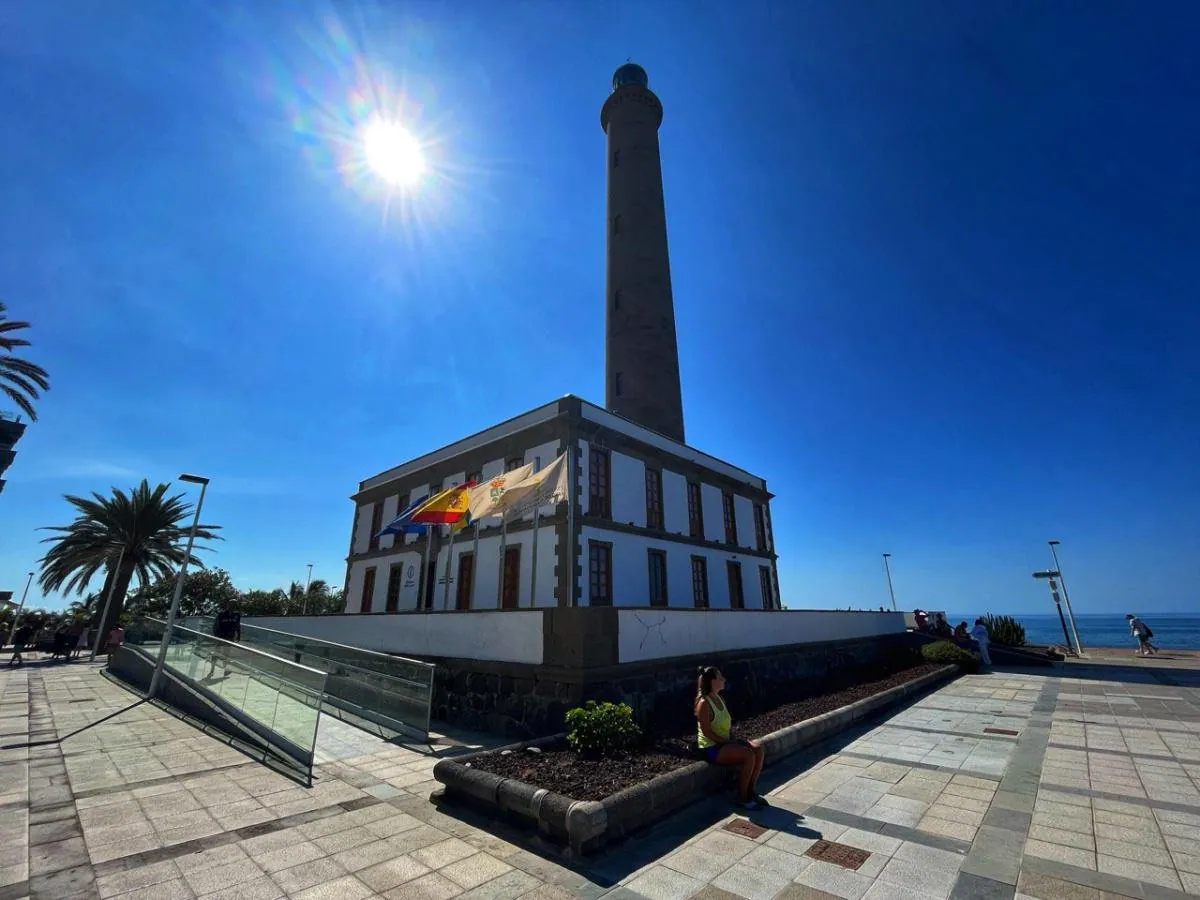
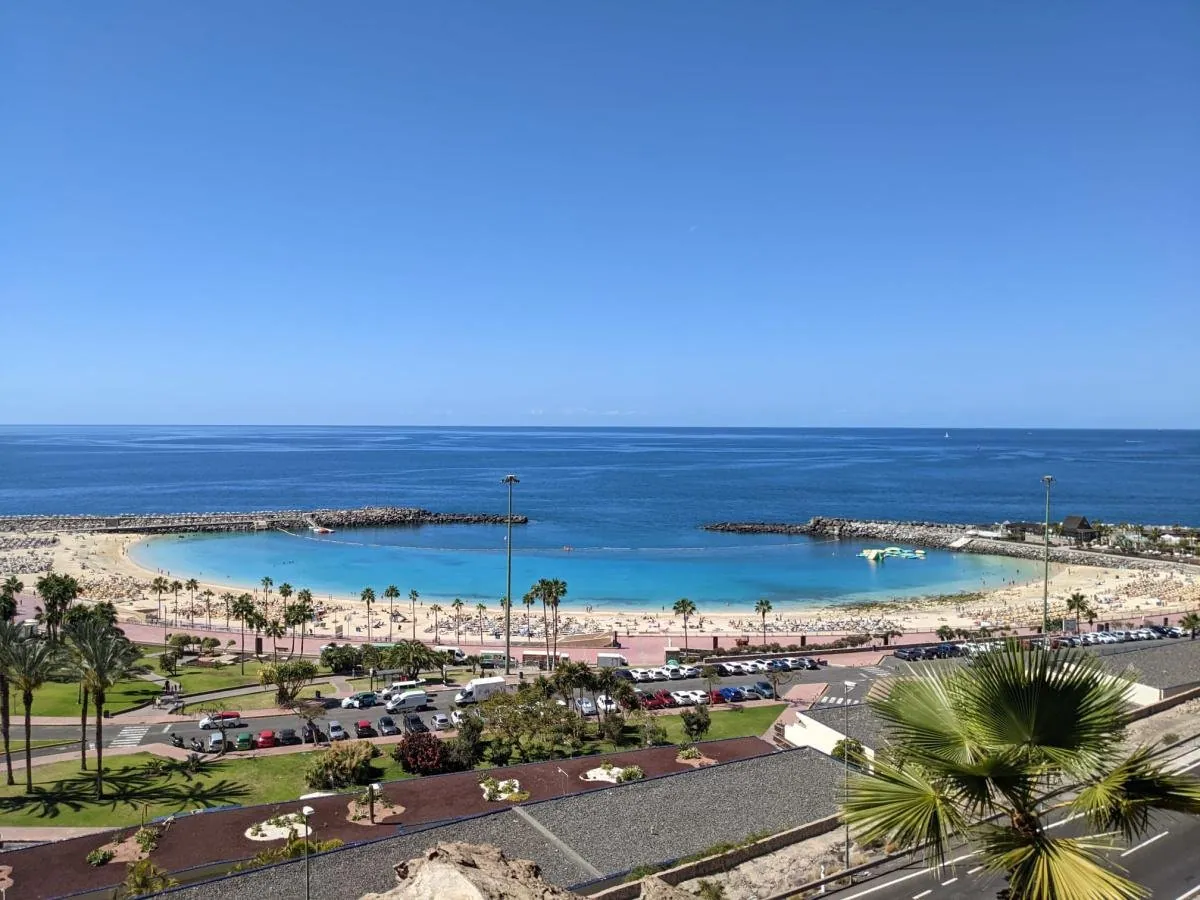
After the walk you can relax on Maspalomas beach, a long stretch of sand that reaches the Maspalomas Lighthouse.
The reserve’s rules
The dunes are a Special Nature Reserve of about 404 hectares, and inside it you walk only on the marked paths: five routes, about 8 km in all, lined with posts. Leaving them is forbidden and the Cabildo fines it.
There are two ways onto the paths: the Mirador de las Dunas, next to the Hotel Riu Palace, where the visitor centre is, and the visitor reception area at the end of Avenida del Touroperador Neckermann.
- Sunbathing, resting and nudism belong on the beach: you do not stay inside the reserve
- No camping and no shelters built from stones or branches
- Plants are not to be trodden on or pulled up, and animals are not to be fed
- Pets are not allowed in the reserve
Getting there
- By car: easily reached via the GC-1 road. The Cabildo points to two car parks on the edges of the reserve: the one at the Anexo II shopping centre in Playa del Inglés, and the Oasis multi-storey car park on the Maspalomas side.
- By bus: several lines connect Maspalomas with the island's other resort towns.
- On foot: you can walk in from the centre of Maspalomas or from the beach.
Sunset here, month by month
Horizon facing South and south-west. Watch it from the Mirador de las Dunas: it is the only balcony over the sand field. The last half hour is the one that counts, when the crests fill with long shadows.
| Month | Sunset | Into the sea? |
|---|---|---|
| January | 18:29 | Yes |
| February | 18:53 | No |
| March | 19:10 | No |
| April | 20:27 | No |
| May | 20:44 | No |
| June | 20:59 | No |
| July | 21:00 | No |
| August | 20:40 | No |
| September | 20:07 | No |
| October | 19:33 | No |
| November | 18:10 | Yes |
| December | 18:09 | Yes |
Canary Islands time on the 15th of each month, calculated for this spot. It barely changes from one year to the next; the clouds, on the other hand, decide every evening.
Gallery
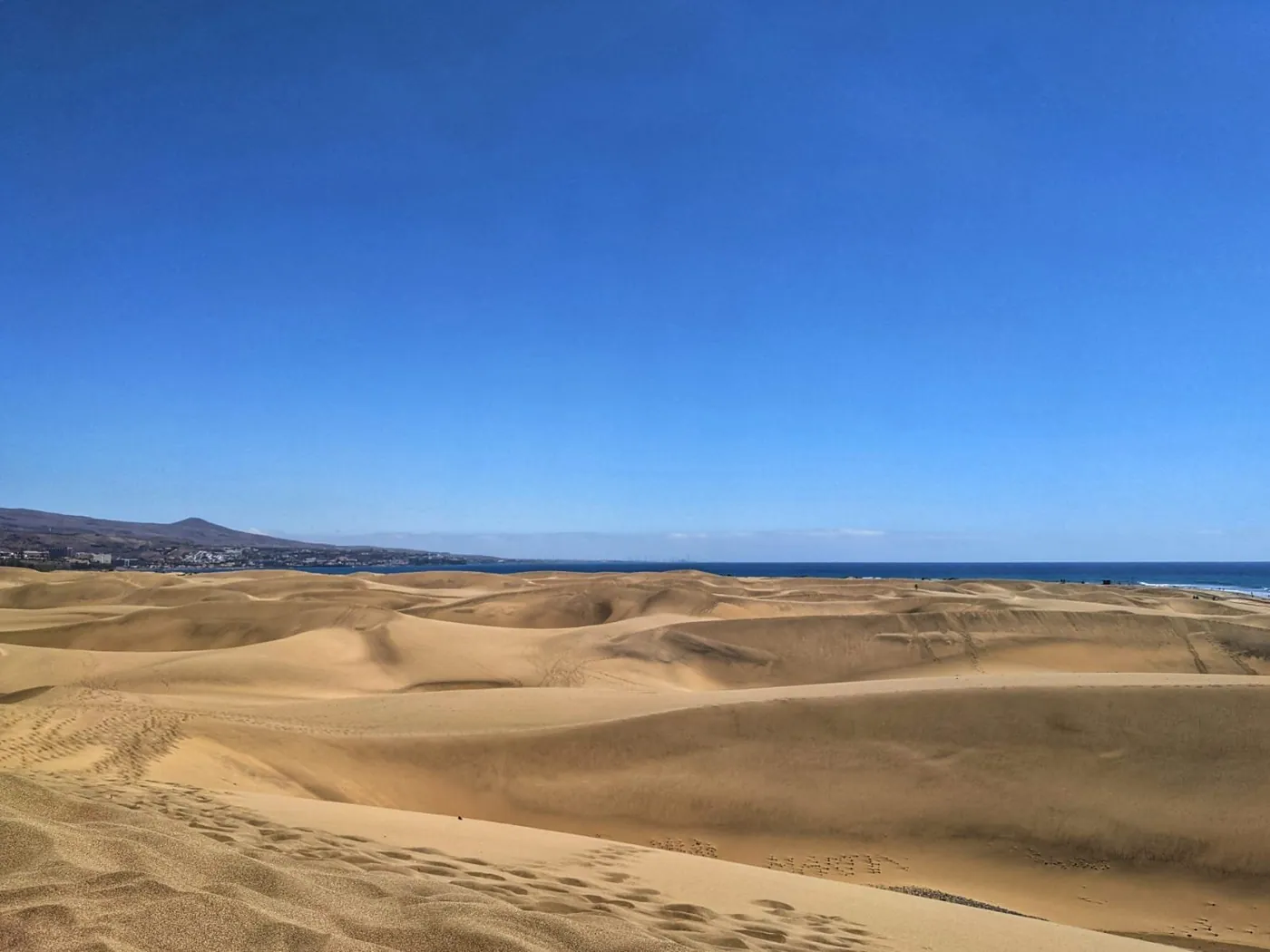
Good to know · The main access point is next to the Hotel Riu Palace, at the Dunes Interpretation Centre, where the marked trail begins.
Where it is
Address: Playa del Inglés, 35100 Maspalomas, Las Palmas
Open in Google MapsNearby places
Where to eat nearby

Part of these itineraries

From the blog
Worth reading before you go

Oceanworking
What if your desk faced the sea?
Work weeks with this coast ten minutes away: place to stay, desk and community already sorted.
See the workations