You can go on vacation and come back feeling like you’ve barely rested. You change your surroundings, but you keep up the same routine: schedules, plans, unread messages, and the feeling that every minute must be put to good use.
Sometimes what’s needed isn’t to fill another five days with activities. It’s about creating a different space: a place to slow down, regain perspective, or devote time to something that daily life tends to push aside. That’s what we mean when we talk about wellness and work retreats: programs designed to focus on what everyday life pushes to the background, not just to change scenery.
What the group really needs
When we organize a retreat, we don’t start by choosing accommodations or preparing a list of activities. First, we need to understand who makes up the group and what needs they have that aren’t being met in their routine. Based on that initial conversation, we shape the program: we define the pace, the spaces, the activities, and the level of support the group may need.
A team that has been working for months amid meetings and messages—with no time for calm conversation—is not the same as a community that wants to meet in person, or a group that simply seeks to dedicate several days to rest and self-care. Each situation calls for a different kind of retreat: a different duration, a different level of structure, and a different type of support.
Group size also plays a role, but it’s not the only factor we consider. What matters are the relationships among the participants, the phase they’re going through, and the purpose of the gathering. A team traveling to review its strategy has different needs than a group that wants to spend several days focusing on well-being.
This is the approach we’re taking as we prepare a new wellness retreat for February 2027 in Bahía Feliz, designed for a maximum of 15 women.
A Retreat with a Different Pace
When a retreat lasts only a few days, it’s easy to want to fill every hour with workshops, sessions, meals, and activities, one after another. But a packed schedule doesn’t always make for a better experience.
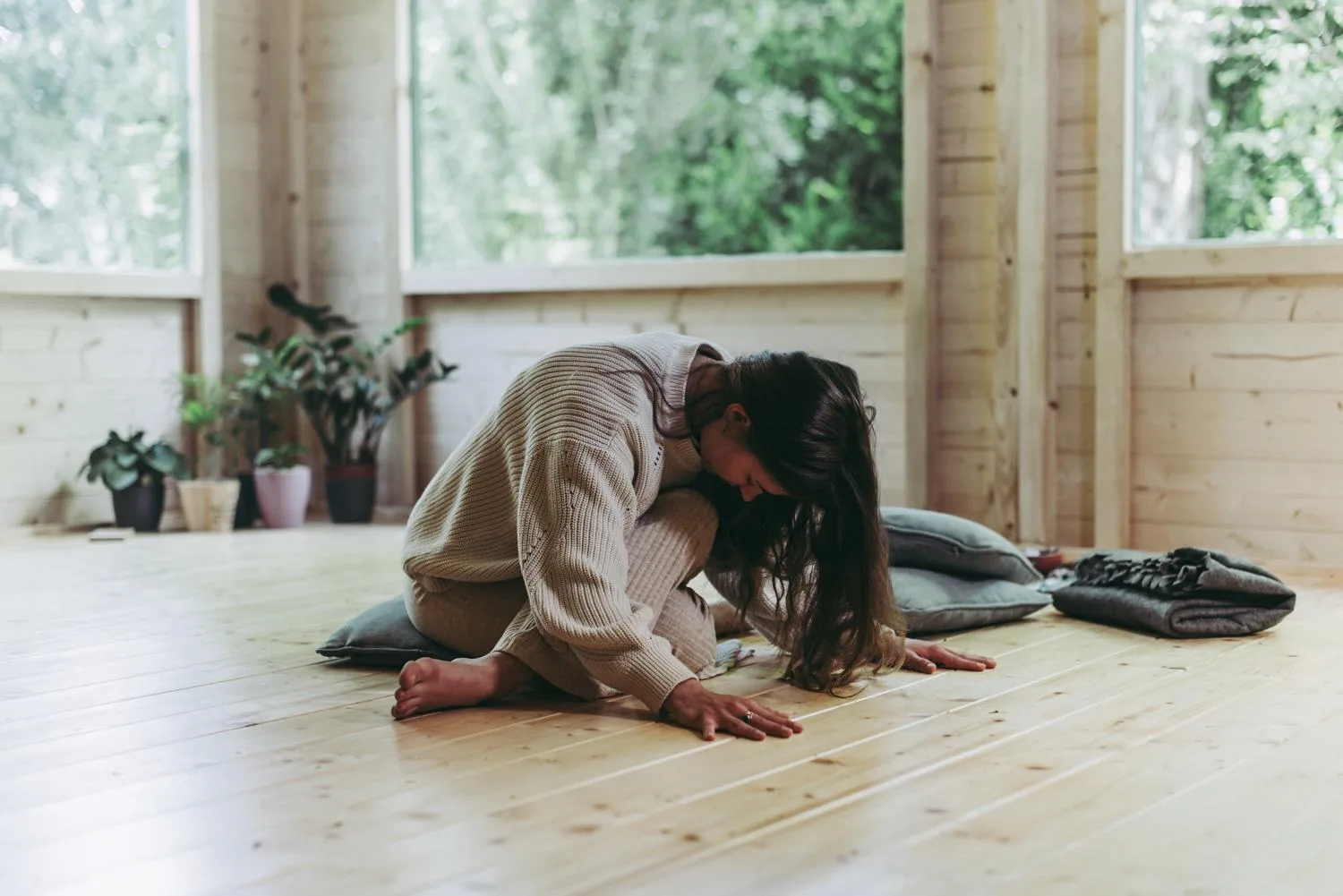
That’s why we assess which activities add value and how much breathing room the group needs between one activity and the next. After an intense session, we consider whether the group needs a break before continuing. If the schedule doesn’t allow for it, the experience starts to feel too much like the very pace we were trying to escape.
The conversations that arise during breakfast, a walk, or a free afternoon can’t be planned. But the schedule can make room for them to happen. Those moments aren’t empty gaps, but rather another part of the experience’s rhythm.
That change of pace can be valuable, but it’s best not to attribute more to it than it can actually offer. A retreat does not cure burnout or replace changes in workload or company culture. What it can offer is a different setting to slow down, regain perspective, and initiate conversations that daily life keeps putting off.
Nature and Purposeful Activities
In Gran Canaria, we can work in very different spaces and at different paces. We choose each activity based on what it brings to the group, not just how appealing it may seem: a walk by the sea, an outdoor session, or a change of scenery can help shift the rhythm between workshops and shared moments.
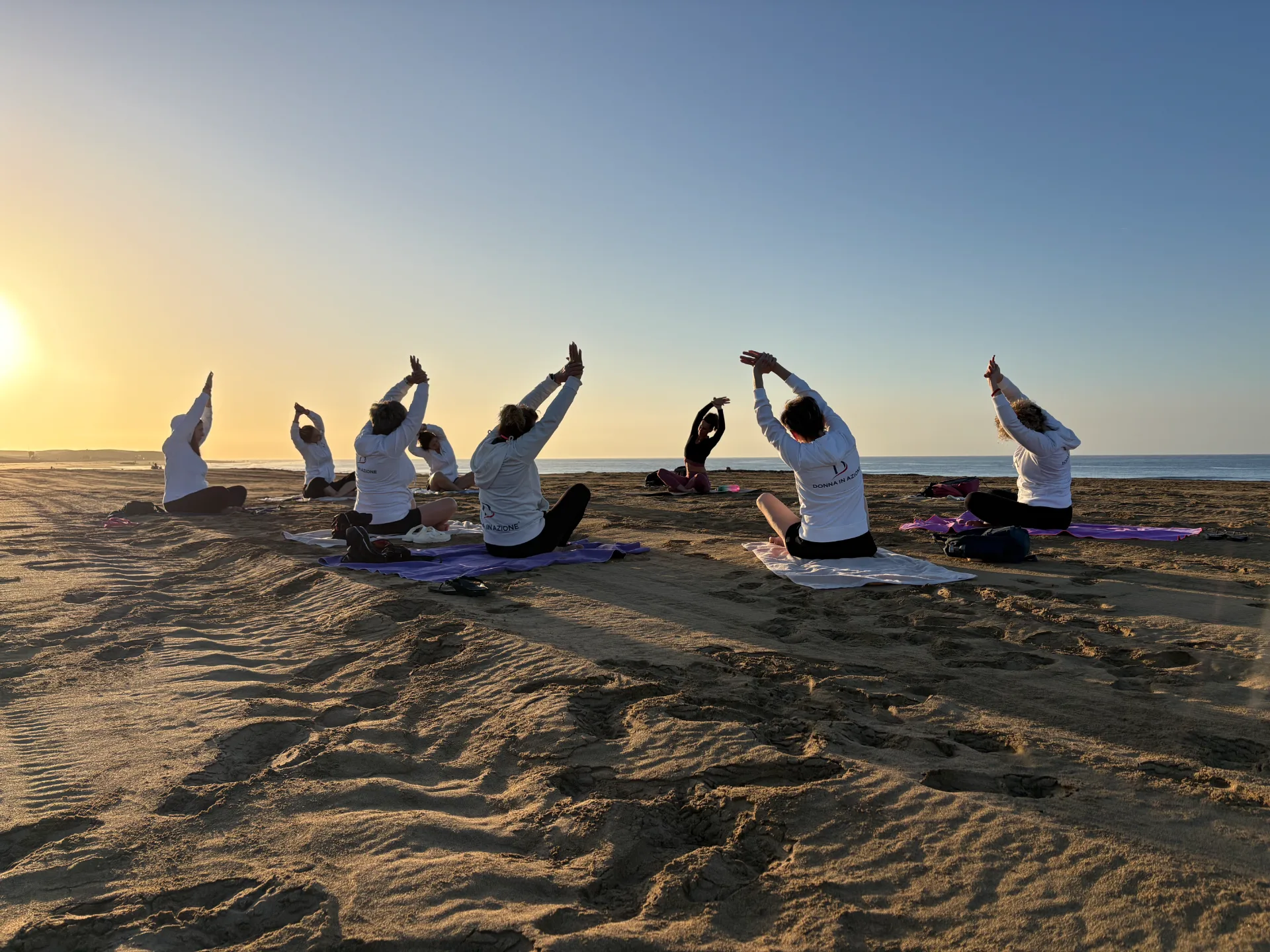
Not everything has to result in a specific learning outcome. Some activities are simply there to be enjoyed. What we avoid is letting the program become a collection of activities chosen solely because they look appealing in a photo.
The setting helps when it’s well integrated into the program. That’s why, when choosing a space, we also think about how it will be used and which part of the program makes sense to take place there.
The retreat we’re planning in Bahía Feliz
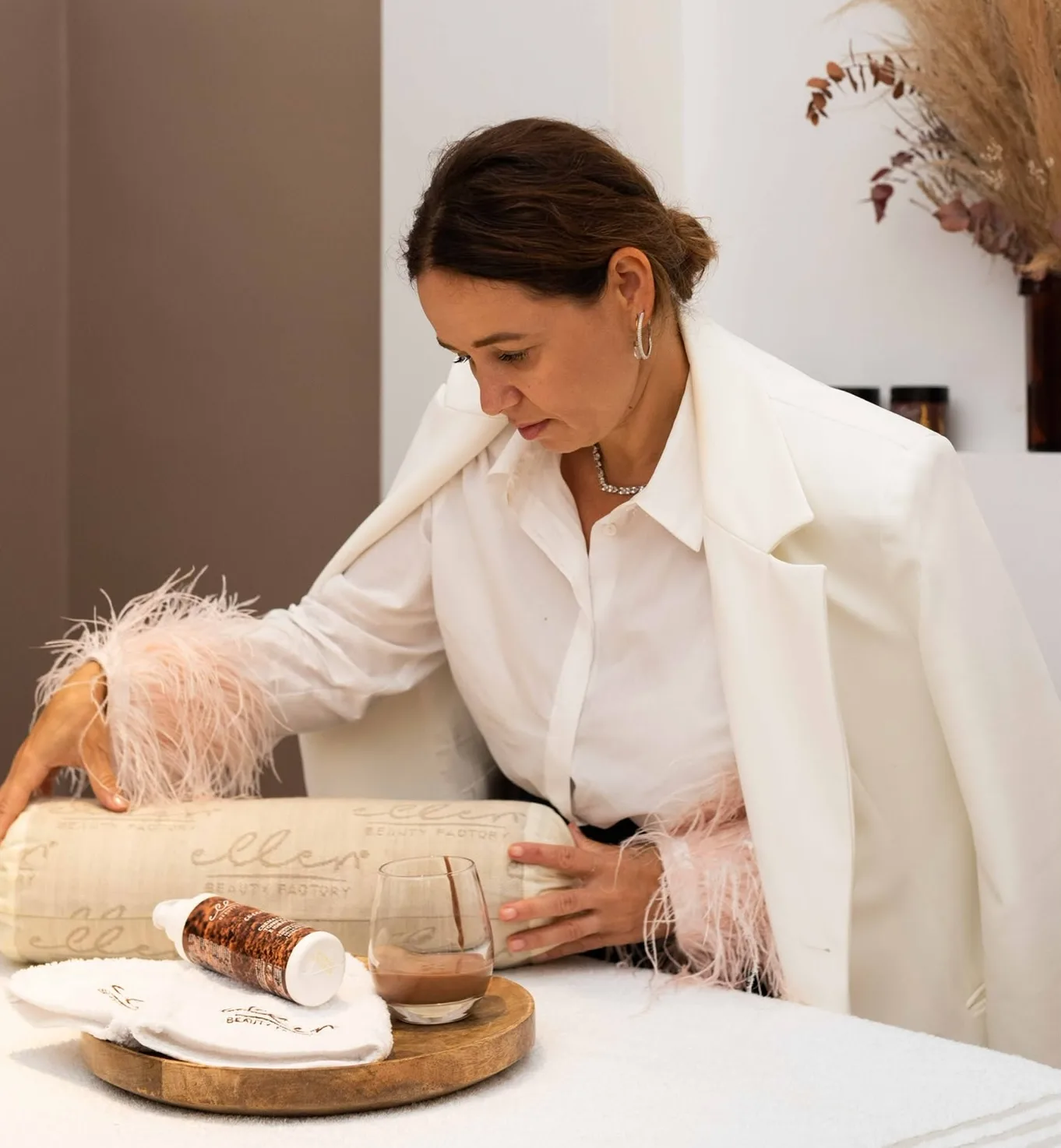
The retreat we’re planning for February 3–7, 2027, in Bahía Feliz brings these ideas together nicely. Organized in collaboration with Ellen Beauty Factory, an Italian beauty company, it will combine yoga and mindfulness, skincare workshops, somatic practices, outdoor activities, and moments of rest. The program will alternate between learning, movement, and free time for a group of up to 15 women.
Not all wellness retreats include work hours. In some cases, such as this one, the goal is precisely to create a structured break for communities or professional groups, without the workday being part of the stay.
This retreat illustrates why we don’t use a one-size-fits-all approach for every group: a small group focused on wellness requires a very different pace, structure, and level of support than, for example, a team traveling to review its strategy.
There are times when a vacation without schedules or goals is exactly what’s needed. And there are other times when what’s needed is a space designed around something that daily routines don’t allow us to address properly. That’s why, when we design a retreat, we don’t start by filling up a schedule: we start by listening to what the group needs and building from there.
At Oceanworking, we design each retreat based on the type of group, the purpose of the gathering, and the pace the experience requires.
If you’re thinking about organizing one in Gran Canaria, we can help you shape it from the very beginning.